
JAMB Lesson: Air
Hello, JAMB stars! We’re continuing our comprehensive JAMB Chemistry series. This short but important topic—Air—focuses on its composition, why it’s a mixture, separation of components, variations in the environment, and uses of its constituents (especially noble gases). It’s often linked to separation techniques (from our first lesson) and gas laws.
JAMB questions may ask you to identify percentages, explain why air is a mixture, describe separation, or list uses. Let’s master it!
Table of Contents
- Composition of Air
- Why Air is a Mixture (Not a Compound)
- Separation of Air Components
- Variations in Air Composition
- Uses of Constituents of Air
- JAMB Tips for Success
Composition of Air
Air is primarily a mixture of gases. The approximate percentage composition by volume (dry air) is:
- Nitrogen (N₂): 78%
- Oxygen (O₂): 21%
- Noble gases: ~0.93% (mostly Argon ~0.93%, Neon ~0.0018%, plus traces of Helium, Krypton, Xenon)
- Carbon dioxide (CO₂): 0.04% (variable)
- Water vapour: Variable (0–4%, depending on humidity)
Other traces: Methane, ozone, etc.


JAMB tip: Memorize approx. values: 78% N₂, 21% O₂, 1% others (argon + CO₂ + noble gases).
Why Air is a Mixture (Not a Compound)
Air exists as a mixture because:
- Components are not chemically combined—they retain individual properties.
- Variable composition (e.g., CO₂ and water vapour change with location/conditions).
- Components can be separated by physical methods (no chemical reaction needed).
- No fixed ratio (unlike compounds).
- No energy change when gases mix.
In contrast, a compound like water has fixed ratio (H:O = 1:8 by mass) and new properties.


This aligns with earlier topics: Mixtures vs. compounds.
Separation of Air Components
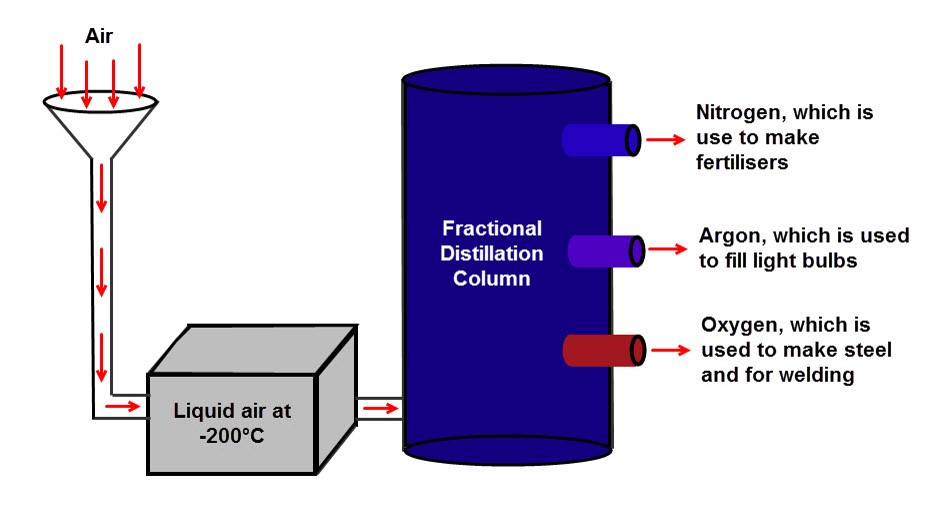
Air is separated industrially by fractional distillation of liquefied air.
Process:
- Air is filtered to remove dust.
- CO₂ and water vapour removed (CO₂ by alkali, water by cooling).
- Compressed and cooled to liquefy (~ -200°C).
- Liquid air warmed in a fractionating column—gases distill at different boiling points.
Boiling points:
- Nitrogen: -196°C
- Argon: -186°C
- Oxygen: -183°C
Nitrogen distills first, then argon, then oxygen.
Principle: Differences in boiling points (fractional distillation, like petroleum).

Variations in Air Composition
Composition isn’t constant:
- Water vapour: Higher in humid/tropical areas (e.g., Lagos), lower in deserts.
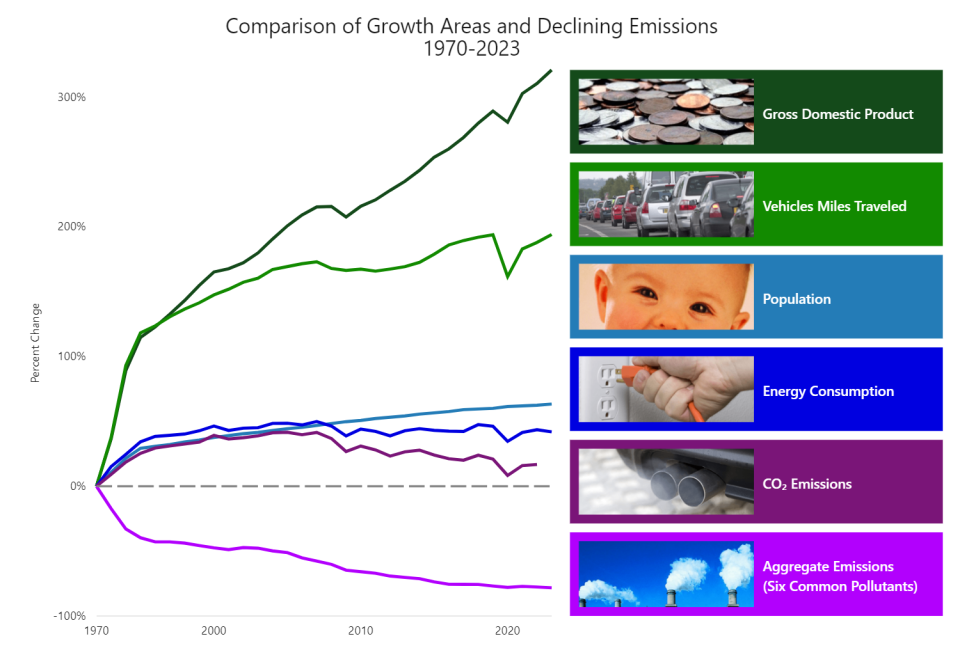
- CO₂: Higher near industrial areas, forests (photosynthesis reduces it), or polluted cities.
- Oxygen: Slightly lower at high altitudes.
- Pollutants: In polluted environments, extra CO, SO₂, NO₂, particulates from vehicles/factories.
Reasons: Human activities (burning fuels), natural processes (respiration, photosynthesis), location, weather.

Uses of Constituents of Air
- Nitrogen: Making ammonia (Haber process for fertilizers), inert atmosphere (prevents oxidation in food packaging).
- Oxygen: Respiration, combustion, steel making, medical (oxygen tanks), welding.
- Carbon dioxide: Photosynthesis, fire extinguishers (smothers flames), carbonated drinks, dry ice (cooling).
- Water vapour: Essential for weather (rain), humidity affects comfort.
- Noble gases (inert, don’t react easily):
- Argon: Fills incandescent bulbs (prevents filament oxidation), welding (inert shield).
- Neon: Neon signs/lights (glows red when electricity passes).
- Others (mentioned in syllabus: argon and neon; but often include helium): Helium for balloons (light, inert), party balloons.


JAMB Tips for Success
- Link to separation: Fractional distillation due to boiling point differences.
- Why mixture: Variable composition, physical separation.
- Uses: Focus on industrial/everyday (e.g., argon in bulbs).
- Variations: Pollution increases CO₂, humidity adds water vapour.
This topic reinforces mixtures and gases—revise with past questions! You’re doing amazingly. Next topic or doubts? Comment below.